Radiation first
May, Maria, and Guimard (and later reviews) already pointed at tardigrades as radiation-tolerant metazoans. Space exposure was a thought experiment for decades before a Biopan door opened.
Low Earth orbit, then the Moon by accident
Tardigrades are the first animals shown to survive open-space exposure. That sentence has a paper, a spacecraft, and a lot of later folklore. This page keeps the folklore in its cage.

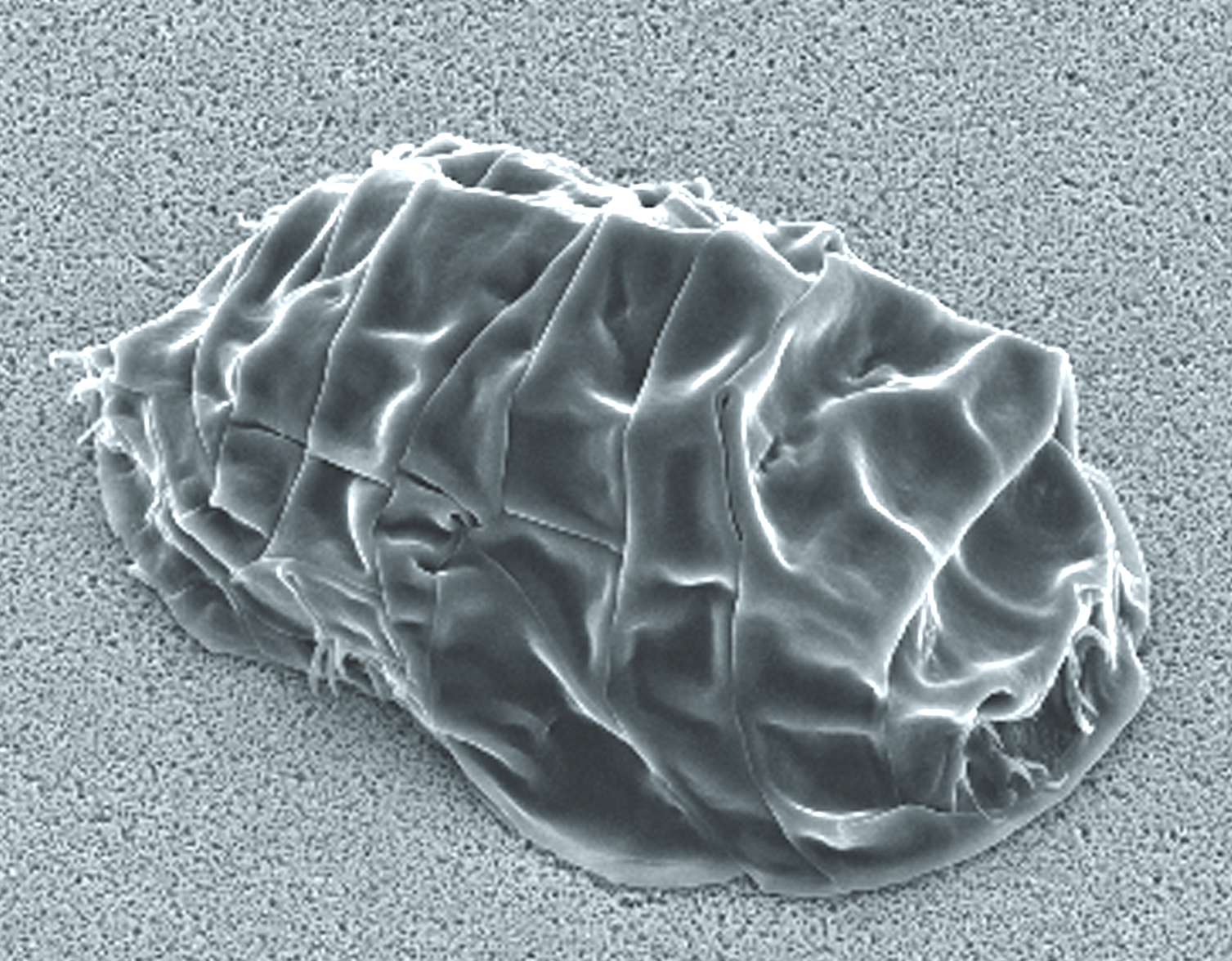
May, Maria, and Guimard (and later reviews) already pointed at tardigrades as radiation-tolerant metazoans. Space exposure was a thought experiment for decades before a Biopan door opened.
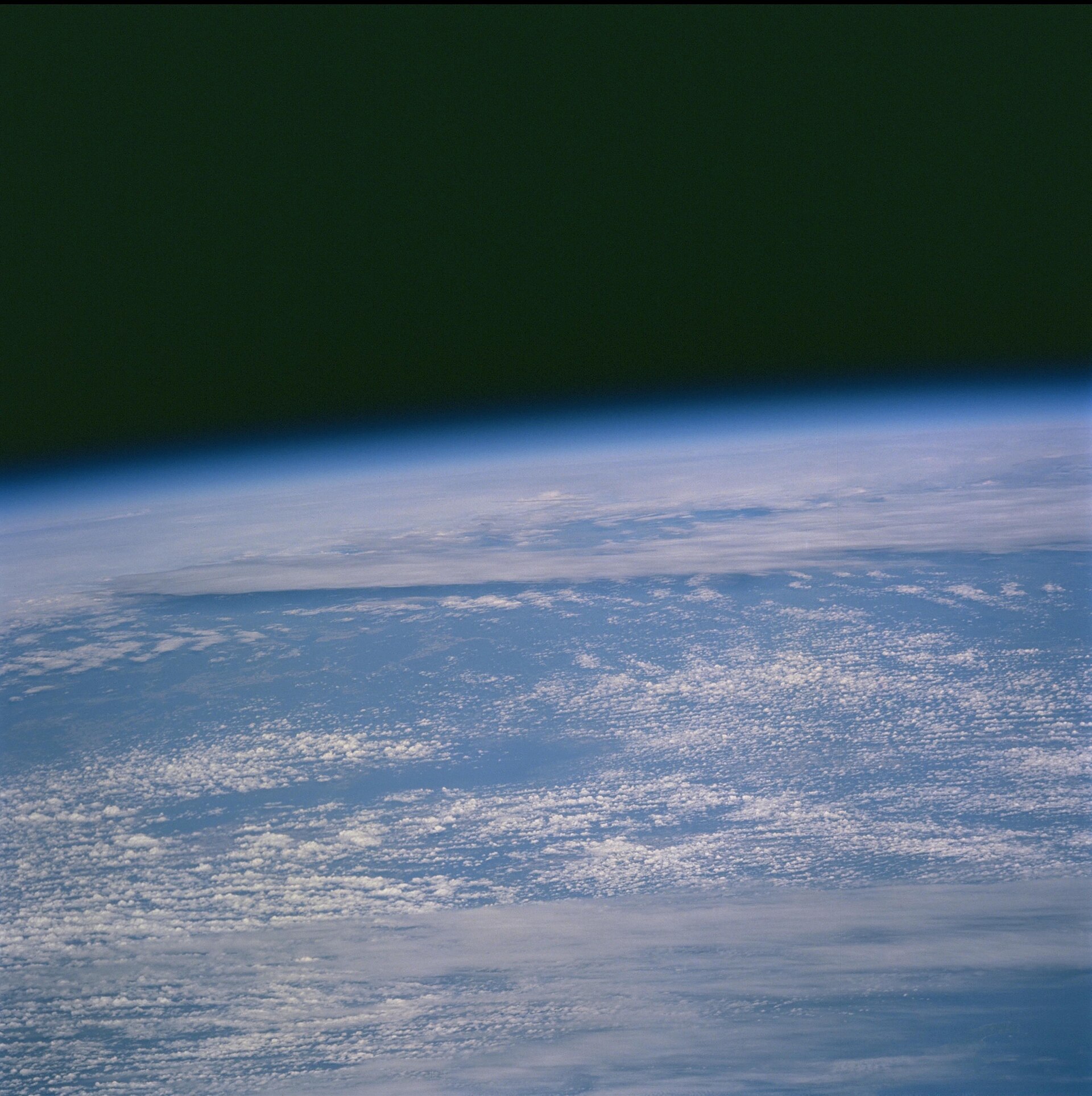
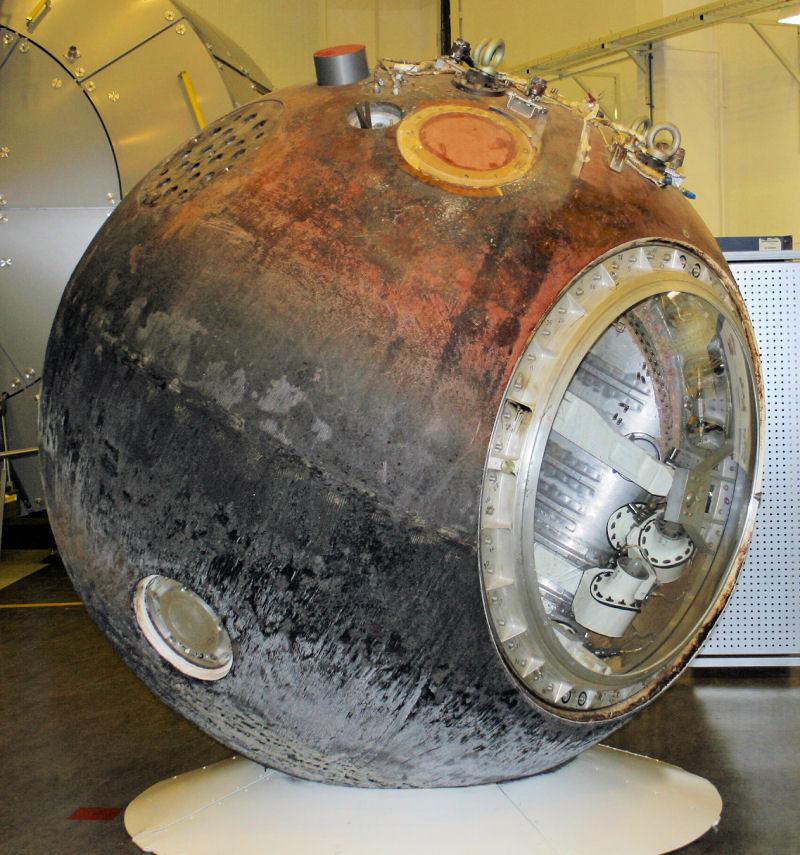
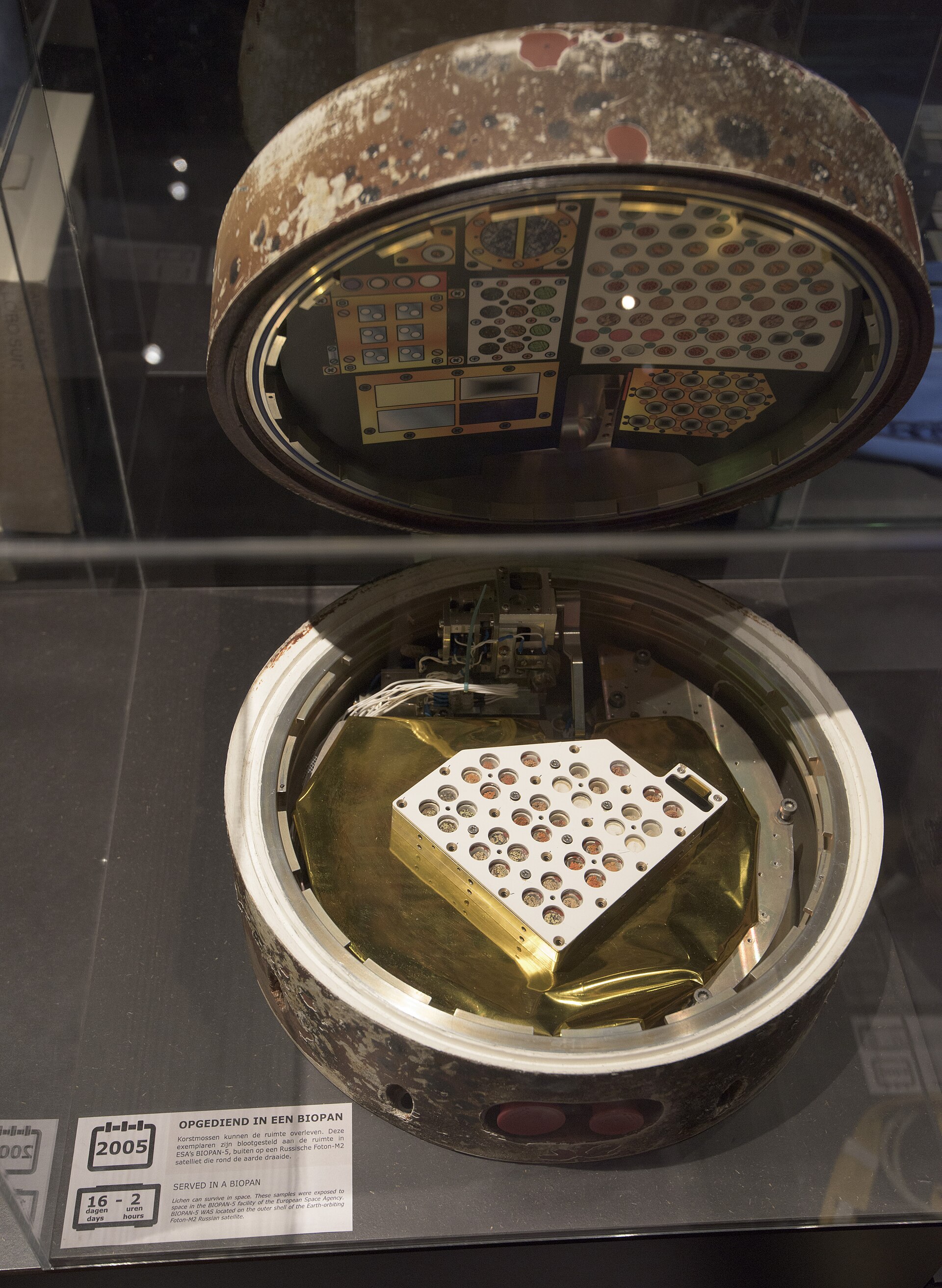
The Russian FOTON-M3 capsule flew ~12 days in low Earth orbit (on the order of 250–290 km). ESA’s Biopan-6 platform opened samples to space. Three tardigrade efforts rode along:
This is the mission behind almost every “tardigrades survived space” headline. Ten days, two well-studied eutardigrades in TARDIS, UV as the real villain.
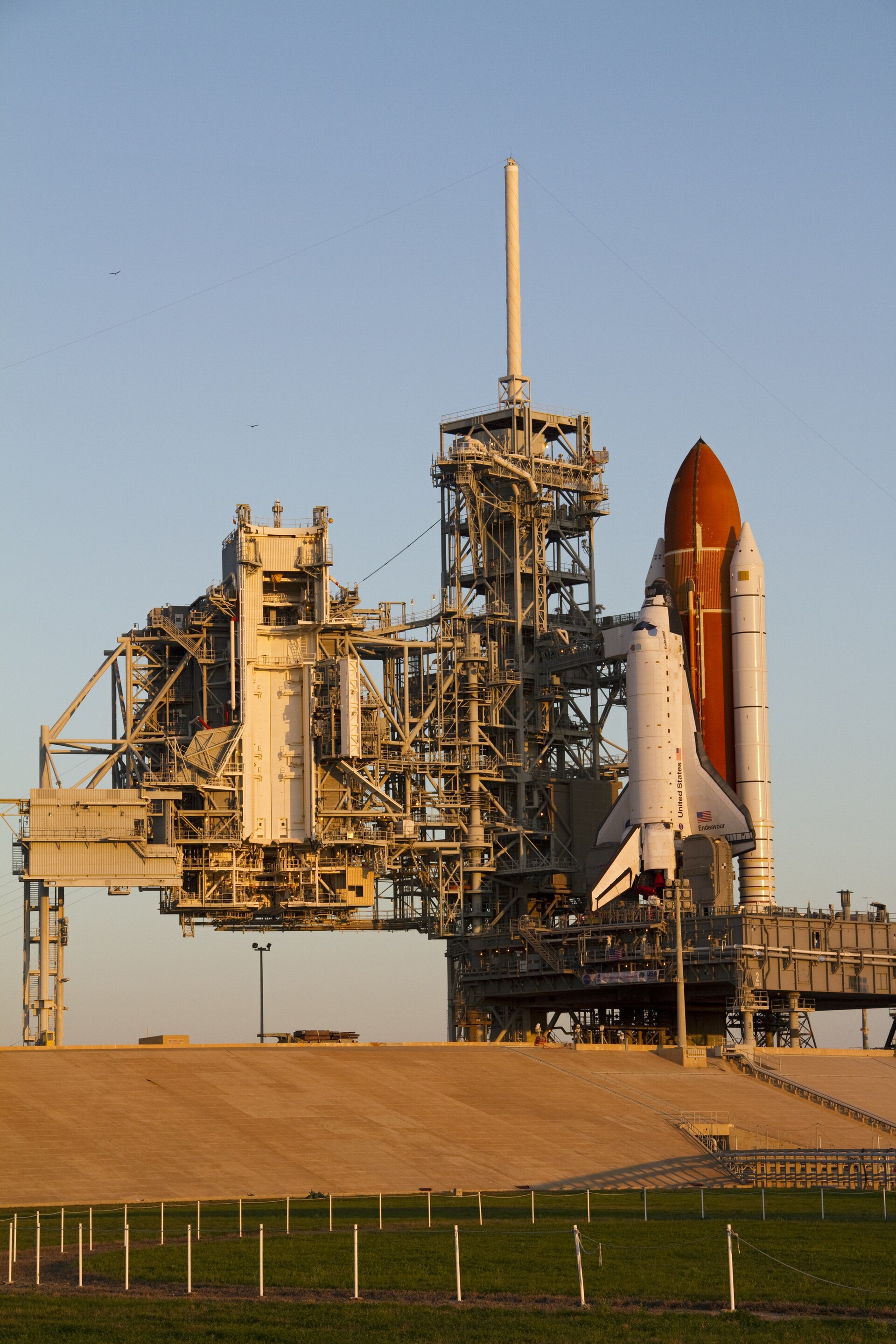
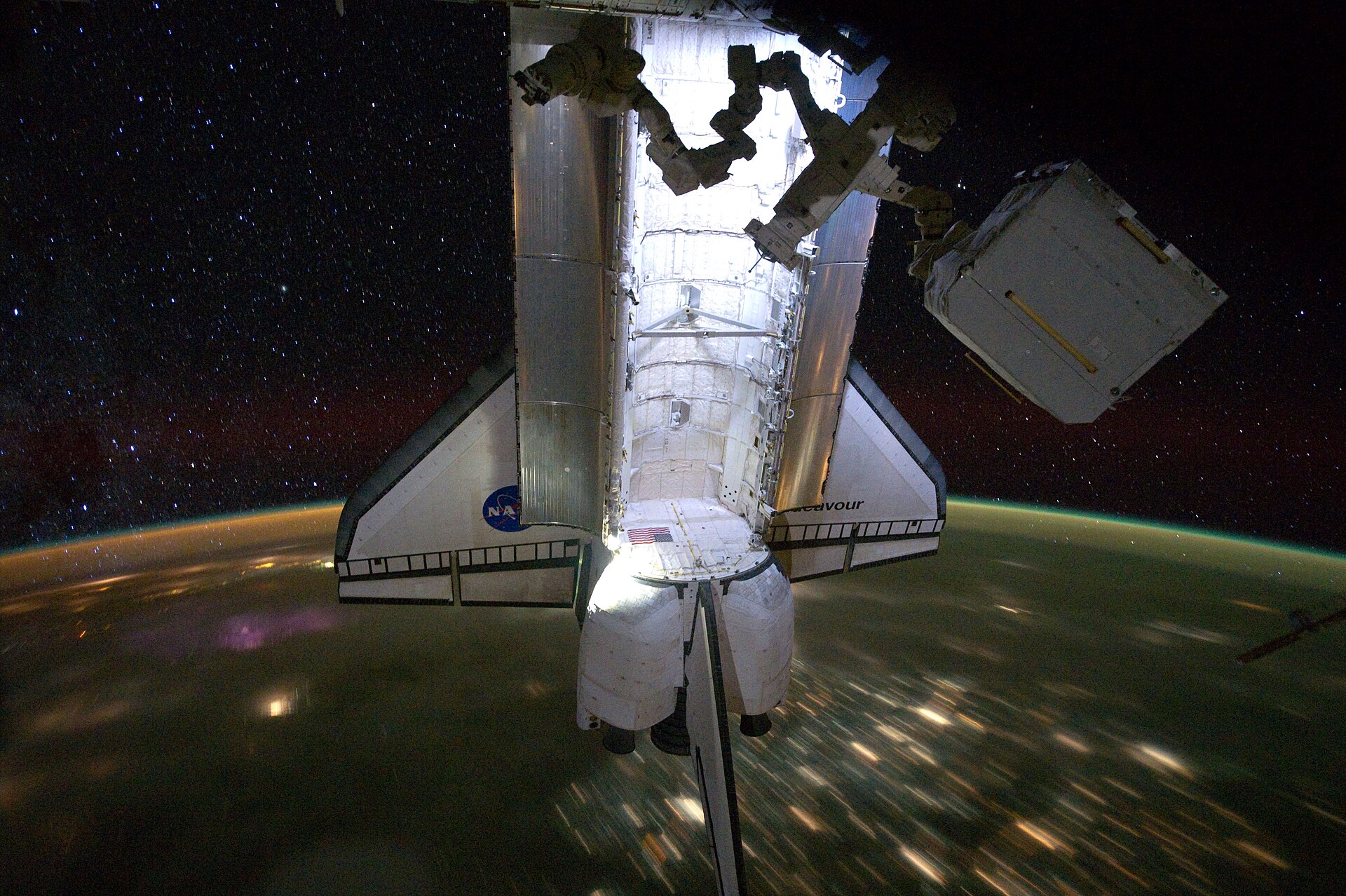
Space Shuttle Endeavour’s last flight (STS-134) carried BIOKIS / DAMA experiments to the ISS. TARDIKISS (Tardigrades in Space) flew desiccated Paramacrobiotus richtersi and Ramazzottius oberhaeuseri for about 16 days in a closed Biokon — microgravity and cosmic radiation, not an open Biopan. Survival was high (reported above 91% in the Rizzo et al. follow-up), and animals reproduced afterward. Paper: Rizzo, Altiero, Corsetto, Montorfano, Guidetti & Rebecchi, “Space Flight Effects on Antioxidant Molecules in Dry Tardigrades: The TARDIKISS Experiment.”
TARDIKISS was also a prototype mood for the Planetary Society’s LIFE experiment, which was supposed to ride Fobos-Grunt to Phobos. Fobos-Grunt never left Earth orbit and was destroyed on reentry. No tardigrades on Phobos.
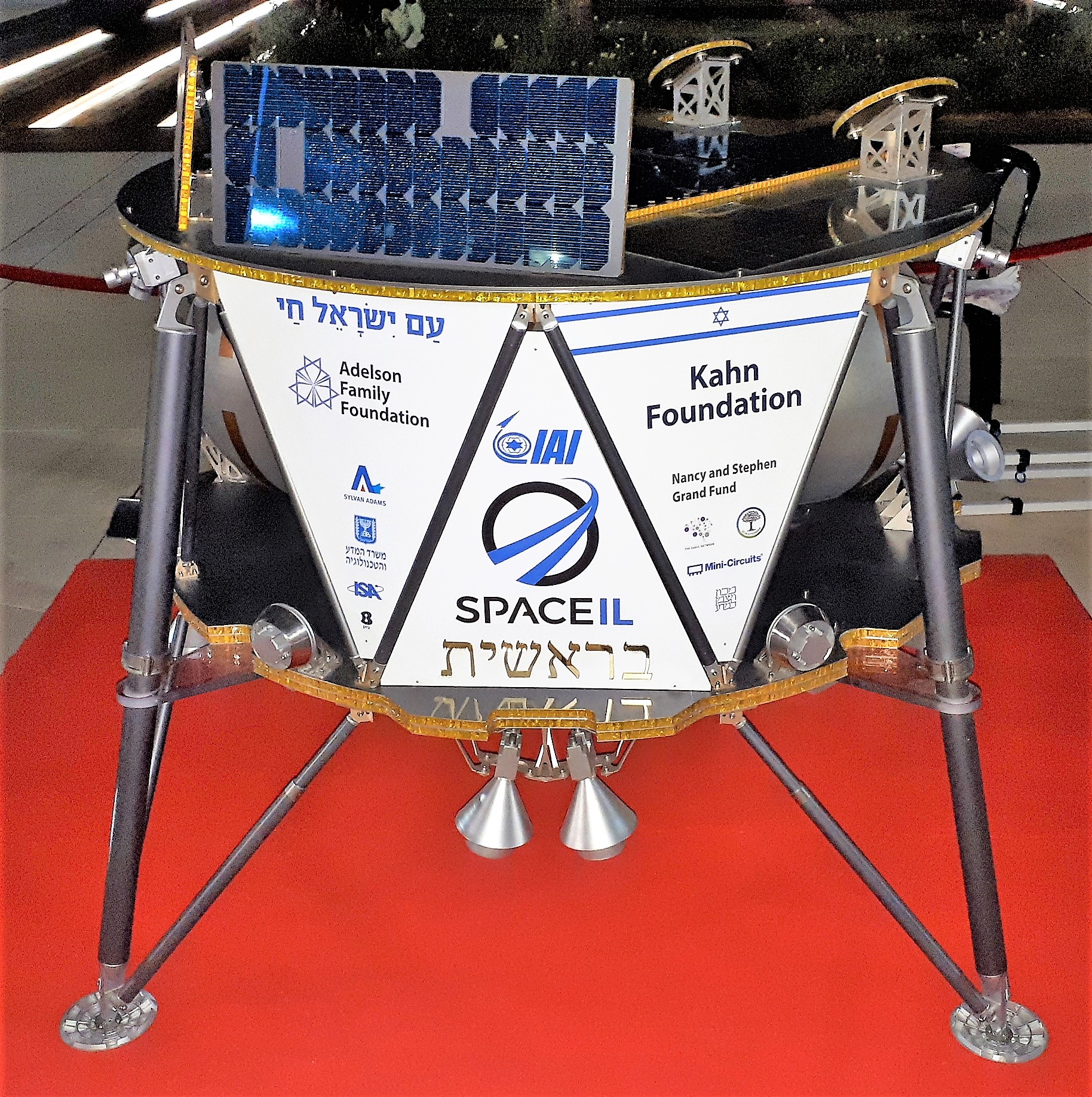
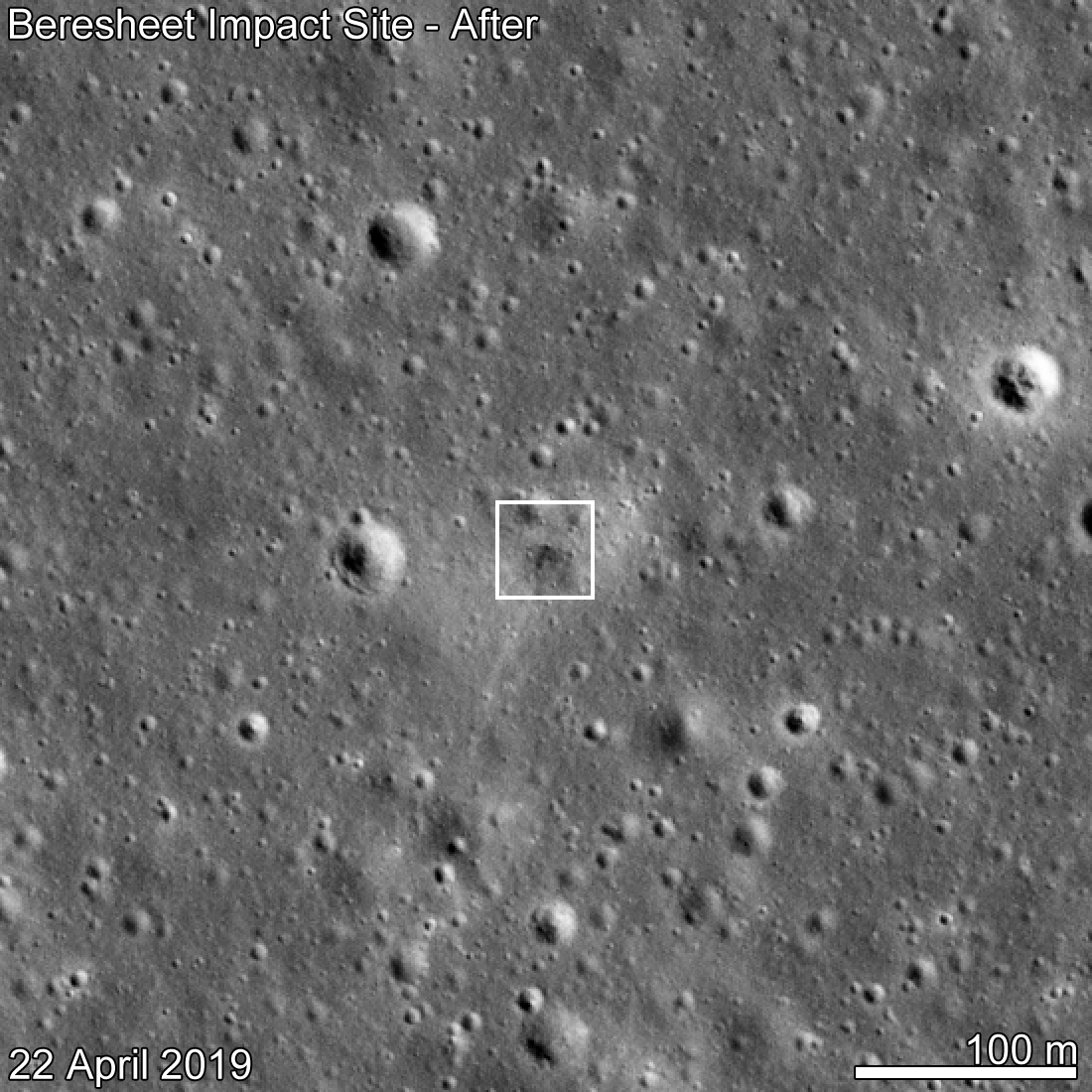
SpaceIL’s Beresheet lander failed its braking burn and hit Mare Serenitatis. Bolted to it was the Arch Mission Foundation Lunar Library — nickel discs of archives, DNA samples, and thousands of dehydrated tardigrades, some described as embedded in epoxy / “artificial amber.” Their presence was widely reported after the crash (CNN, BBC, August 2019), not as a biology experiment with a recovery plan.
Whether any tun survived the impact is unknown. Later shock-physics commentary put tardigrade survival limits around ~1 GPa / roughly the crash-speed ballpark, which is a reason for skepticism, not a graveside certainty. They cannot complete a life cycle on the dry Moon. This is not a second TARDIS.
Wikipedia “Tardigrades in space” is a decent map. Primary: Jönsson et al. 2008 Curr Biol; Rebecchi et al. TARSE papers; Rizzo et al. TARDIKISS; contemporaneous ESA FOTON-M3 mission notes. We do not add unpublished ISS rumors. More outbound links on Sources.